+++*

Symbolic Forest

A homage to loading screens.

Blog : Page 43

Books I Haven’t Read (I’ve lost count which part)

In which we compare two David Crystal books with the inside of my head

Yesterday’s post, about how we can’t stop ourselves buying books, segues quite nicely into today’s. We didn’t just buy books on Saturday; we bought more on Sunday, from the weekend bookstall outside the Watershed that I remember mentioning not that long ago. I picked up a copy of By Hook Or By Crook by David Crystal; and then, thought to myself, should I really be buying a David Crystal book when I already have a book of his on the shelves that I haven’t yet read? I didn’t pause for long, because “you’ve already got one by him” is hardly a very good reason for not buying a book, but it’s true that the one Crystal book already on our shelves is one that I’ve never been able to get very far with. It is: The Stories Of English.

I find the language fascinating: both in use and in history. It’s such a playful thing, can be twisted and swerved, can be squeezed and stretched, and can be bent into truly awful puns. I love playing with it, I love its richness and I love its history, its constantly fluctuating and mercurial history. And so, I thought – rightly – that The Stories Of English would be an extremely interesting book. Crystal, moreover, is a very engaging and lighthearted writer. He’s very easy to read, very interesting, and clearly knows what he’s writing about very thoroughly.

So why, then, is it that I’ve never managed to get past the Middle English chapters? I’ve tried to read it several times, I’ve always enjoyed the sections I have read immensely, but I’ve never been able to get through Middle English. Every time, my enthusiam’s petered out somewhere in the fourteenth century, I’ve not come back to the book, and its later chapters have remained untouched. And so – given the number of times I’ve made an effort to read it – it definitely counts as a Book I Haven’t Read, even though it’s actually very good.

There’s one thing, only one thing, I can put my finger on. It’s quite a non-linear book. There are excurses and diversions. There are lots of box-outs. This is understandable. All histories can be highly non-linear, and The Stories Of English is deliberately written in a non-linear way, to take account of the parallel histories of different dialects of the language. I’m used to reading non-linear texts, or in a non-linear manner when I’m online and going down a Wikipedia hole, or when I’m researching something: flipping between tabs in my web browser, or shuffling through several open books on my desk, comparing pages and stopping to take notes. Only the other week, for example, I was sitting in the city reference library comparing passages in several books of railway history and taking notes on the development of Great Western Railway Wagon handbrakes. When I sit down to read a book for pleasure, by contrast, I’m not used to doing that. I expect my books to have a beginning, middle and end; a linear structure if not a linear narrative; flipping back and forth, both physically and mentally, needs more concentration. Crystal’s straightforward writing style, in this context, is deceptively easy to read. Especially when you reach the Middle English period, and the stories of English really start to get complex, purely because the amount of evidence available on the history of the language becomes much, much more comprehensive, it needs a lot more mental effort to keep track of things than you might think you’d need when you open the book.

By Hook Or By Crook, by contrast, is structured in a linear way, but one that’s orthagonal to its linguistics. It’s a road-trip book, essentially, with Crystal musing on anything of linguistic interest – or of any interest to him at all – which he comes across on the way. And it’s ideal for me to read, particularly because that’s the way my own brain works. Like him, I’m exactly the sort of person who would do an emergency stop and jump out of my car to photograph a misspelled sign at a level crossing. I’m racing through it, and I’ll probably have read it by the weekend; and I’ll probably read it again and again over the years. Its mode of writing complements my own favourite mode of reading, and my own favourite mode of thinking. It must also help that I know some of the places he writes about: for example, when I first opened the book at a random page I saw a photo of the Boston Lodge toll house apparently taken from a passing train.

The Stories Of English, by comparison, is something I have to concentrate on to get my head around. That, I suspect, is why it’s a Book I Haven’t Read. Yet.
Library

In which we go to the seaside

We should be banned from second-hand bookshops. They’re far too tempting. Even though we have hundreds of books, many many books we’ve never read, we still can’t resist popping into a second-hand bookshop and buying more. It’s not like going in a normal bookshop, where you have a good chance the same books will be on the shelf the following week. If you’re in a town you don’t know, and you visit a second-hand bookshop, there’s a good chance you might come across a book that you’ll never, ever see again anywhere else.

All this is making us sound very middle-aged. A weekend out for us: tea rooms and second-hand bookshops. It makes us sound like fifty-somethings. Oh well.

We’re still trying to find the Ideal Seaside Town, you see. So we went out on Saturday, to a potential one, and found a quiet (but windy) prom, a quiet (but very windy pier), a nice second-hand bookshop and a shortage of tea rooms. We did find more books for our library, though, squeezing into the bookshop. “Sorry about all the boxes everywhere”, said the proprietor. “You can’t get to all of our shelves at the moment”. Which is no doubt a good thing, because otherwise we’d only have bought more than we did.

On the pier, we got chatting to some fishermen who were leaning back and waiting for a bite. “You look a bit like Cliff Richard,” one of them said. Unfortunately I didn’t have a seagull on my head at the time, so there goes that joke. I can’t see the resemblance myself.

Photo Post Of The Week

In which we have history in words, and archaeology in pictures

Over on the bookshelves – but not the bookshelf I talked about the othe day – is an interesting little local book by an artist called Cleo Broda. It’s called Symes Avenue: Building On The Past, and it’s about the rebuilding of the centre of Hartcliffe, and the ways in which public art was involved in the rebuilding; particularly, community art which celebrates the area’s history.*

Hartcliffe doesn’t have a particularly long history as a residential centre in its own right: it was built from scratch in the 1950s and in many ways was and is a typical 1950s council housing estate. Shiny and sparkling for the first few years, the first decade even, it decayed. By the time the term “social exclusion” came along, Hartcliffe was a prime example; so the 2000s plan to knock down the old, mostly boarded up shopping street and replace it with a new supermarket and community centre was definitely a Good Thing. The book concentrates on efforts to preserve memories of the estate, record oral histories of its origins, and generally recapture the optimism felt when it was first founded.

Quotes from the oral histories collected during the project fill the cover of the book. Reading through them, I noticed one in particular:

The stone circles at Stanton Drew are three miles from here as the crow flies

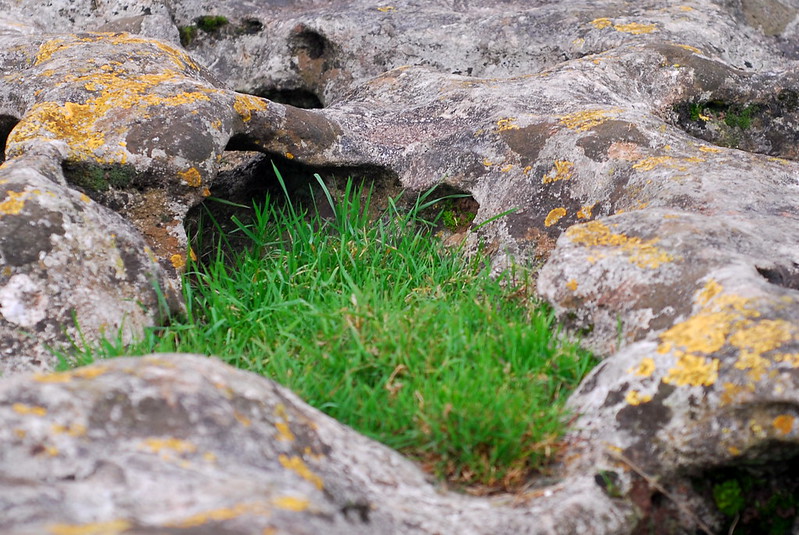
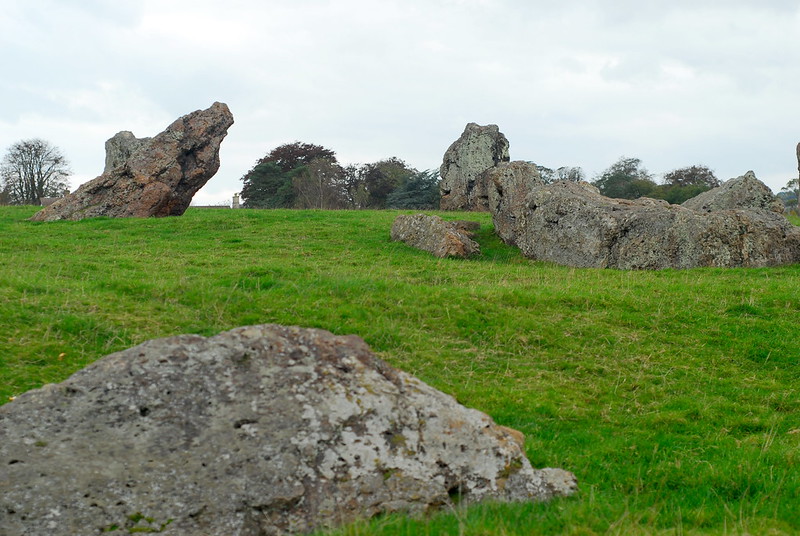
I’d heard of Stanton Drew, at some point in my education. And I knew that Hartcliffe was right out at the edge of the countryside. So – look, I’m finally getting to the point – one day, we went out there. To take photos of the stones.

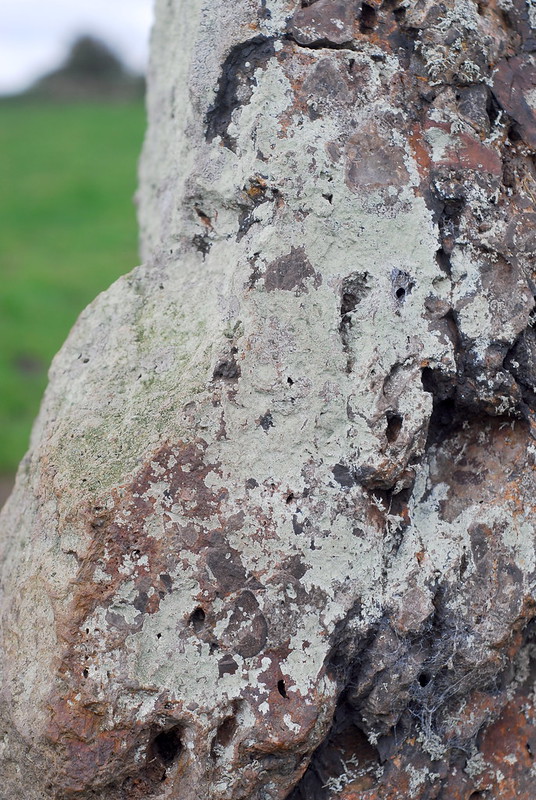
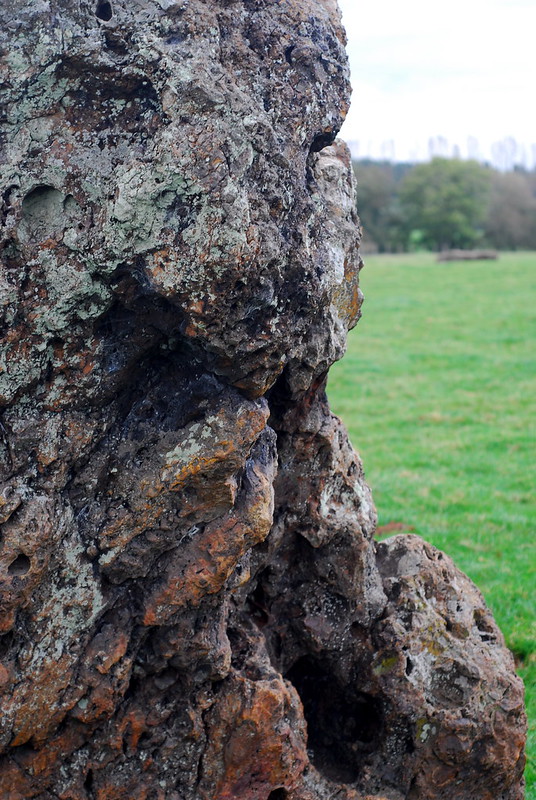
Standing stone, Stanton Drew

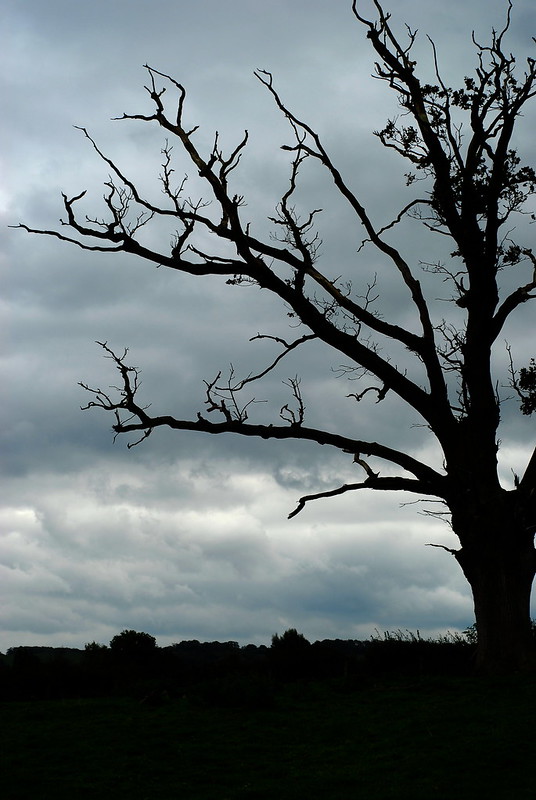
Tree, Stanton Drew

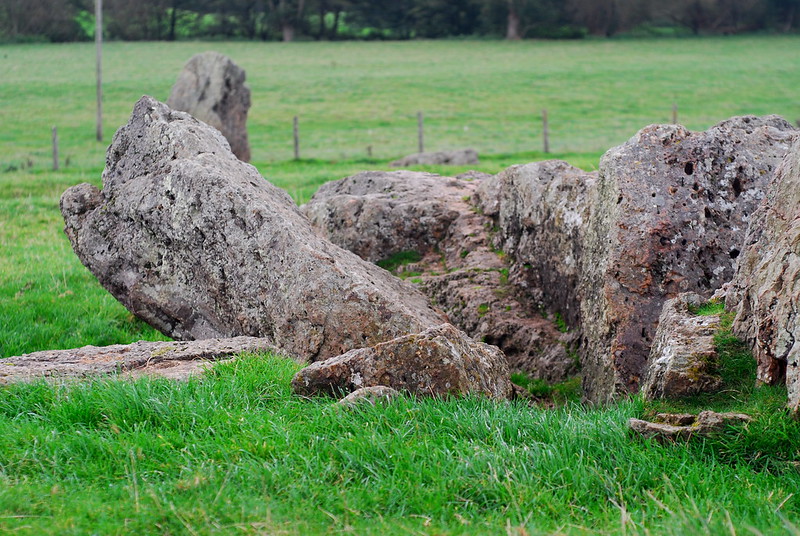
Recumbent stone, Stanton Drew

Standing stones, Stanton Drew

Standing stone, Stanton Drew

Standing stones, Stanton Drew

Abyss

In which we stare into a big hole

Following Monday’s post about a burst water main: I should probably point out that someone did turn up, the following day. A whole team of contractors turned up, and dug a rather large, and deep, hole across the road. They pumped out gallons and gallons of dirty water, filled the gutters with silt, and then the water stopped flowing. Presumably, they fixed it.

What they didn’t do was: fill the hole in again. So now, outside the house, there’s a big spoil heap and a rather deep hole. Dark red sand overlying browner silts, with plenty of non-imbricated gravel in it, based on the quick glance I took down the hole this morning. Fortunately, not so close to the house or the front door that we risk teetering on the brink of the abyss every time we step outside, but close enough. Presumably they’re waiting to borrow a road-roller, or something along those lines, before they can try filling it back up again.

Reading list

In which we discuss books and the French Revolution

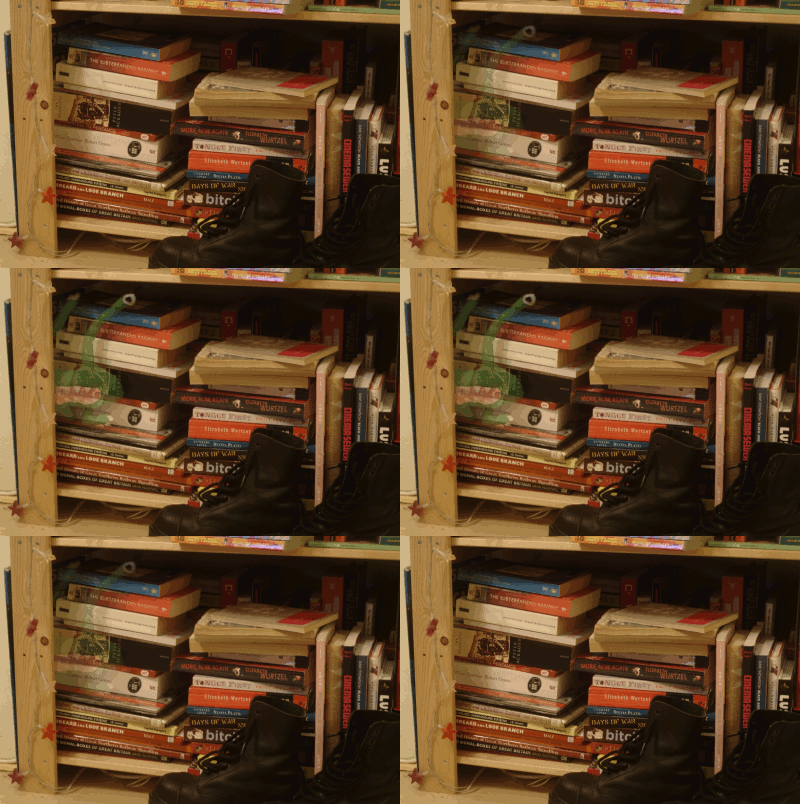
One thing about yesterday’s post: it gives you a good look at the state of one of our bookshelves. Not a good enough look to make out what most of the books are, though, unless they’re books with distinctive spines that you’re already familiar with – like Peter Ackroyds’s London, for example.

Over on top of that pile on the left, though, is a book I mentioned here a few months ago. Shortly after restarting the regular blogging cycle, I mused aloud as to whether I should restart the Books I Haven’t Read reviews, and predicted one book that might fall victim: Christopher Hill’s The World Turned Upside Down. It’s there on top of the pile, in the blue cover. And, I have to say, so far the prediction’s been right. But not because of the book itself; because there’s been too much else to read. Below it on the pile there’s Graves’ White Goddess, also mentioned as a potential Book I Haven’t Read. I still haven’t read it. Further up, though, there’s a biography of Robert Graves, which I picked up on a bookstall outside the Watershed cinema. I thought: if I’m going to write about The White Goddess, I need to know more about him to do it justice. Coming across the biography by chance, I bought it. I started to read it. I still haven’t finished it.

Elsewhere in the house there are many more books I haven’t finished reading. Amazingly, though, yesterday, I finished one, and it was a book I only made a start on a few weeks ago.* Fatal Purity, a biography of Maximilien “The Incorruptible” Robespierre, by Ruth Scurr. A shy, fastidious man, who I find very intriguing; someone who found himself trying to impose morals by whatever means necessary, because his cause was justified. He was shortsighted both literally and figuratively, and was a logical man who became trapped in his own logic. He was willing to execute his oldest friends, because he thought his cause, the Revolution, was more important.

I’m not sure I read the book properly, because it left me feeling I’d stepped through a lacuna at one point: I wasn’t sure at all how he went from being the people’s leader, to giving a speech that he apparently could see was to try to save his own life. One thing I definitely learned about, though, was Robespierre’s inability to ever, at all, admit that he had been wrong, even after his stance had changed, or when condemning people he had earlier supported. I’m still not entirely sure whether, for that, he should be applauded, or condemned himself.

* Because it was a Christmas present from K’s brother.

Surprise sighting

In which, for the first time ever, a gruntlebeast is captured on camera

You might have noticed the little mascot of this site – up there in the top right, at the time of writing, although that might change given time. Really really long-time readers might remember me explaining what it was, back in the mists of time. It is called a gruntlebeast, and, because of the considerable lack of evidence for their existence, is often believed to be mythical, invisible, extinct, very very shy, or possibly any combination of those four things. You will, I’m sure, have noticed the distinct lack of sightings of gruntlebeasts mentioned in the news.

However: things have changed! The Symbolic Forest Militant Invective Laboratories have, after many years of trying,* apparently managed to capture footage of a gruntlebeast in the wild. Indeed, the footage seems to confirm the conjectured “partially invisible” hypothesis, and also possibly the beast’s legendary shyness. See what you think:

A possible rare sighting of a gruntlebeast on video

Apologies for the low quality; but, well, if it wasn’t low quality, it wouldn’t be a proper controversial mythical-creature sighting, would it? The next task: get some evidence for its famous “Arrg kxrrt!” hunting call.

* well, you saw how old that last blog post was

Trickle

In which there’s a leak

The weather has turned warmer, but it hasn’t done the water pipes any good.

The roads round here are mostly tarmac, but tarmac on top of cobbles. The tar doesn’t extend right to the edge of the road – the gutters are still cobbled. It’s a common arrangement around here, but I’ve never seen it anywhere else.

Anyway, we got up yesterday and went out of the house, only to notice the gutter full of water. Walking uphill a little, we found that it was pouring into the gutter rapidly – from underneath the tarmac road surface. At the edge of the gutter, a stream was gushing out from a small crack between the tarmac and the cobbles underneath.

I’ve reported it to the water board. A chap drove up a few hours later, and painted a big blue arrow on the road, pointing at it. Hopefully, it will get fixed, before our foundations start to get washed away.

Design points

In which nothing, design-wise, is accomplished

As I mentioned recently, I’m embarking on a Grand Epic Ground-Upwards Redesign of this site, because, well, the design hasn’t been changed since I first set it up. I knocked it together in a few days holiday in August ’05; back then my holiday year ended in August and I often had a few spare days at the end of the month where I had nothing to do and needed to keep myself occupied. In 2005, this blog was the result.

Anyway, my point is: it was put together in a bit of a hurry, with most of the design code ripped out of a standard theme I downloaded, without me really understanding what each bit did. The design’s always had a few rough edges, and there are lots of things that I’ve meant to develop further but never have. Hopefully, some of those points will be addressed, attacked, and taken by storm.

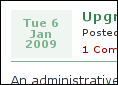
Thinking about the design, though, and what I want it to achieve, has made me think about one of the things I was most unhappy with when I first put this site together. One of the things I liked about this theme when I first saw it was:* the little boxes for the date on each post. You know, these ones:

Date with cardinal number

But one thing I didn’t like, though, was the cardinal number. Maybe it’s because I’m English, that that’s how I was taught, but when I read a date, I always read it with an ordinal number. “January 11th”, not “January 11″.

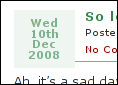
I can’t remember, to be honest, if it was possible to fix that easily when I first started using WordPress. Possibly it was, possibly it was something that’s been added later.** In any case, I didn’t fix it. I know I tried to, at one point; but abandoned the fix and didn’t go back to it. Then I forgot the issue, until, coming back to the redesign, I tried the fix again the other day. When I retried it, I remembered that I’d given it a go before. Because this is the result

Date with ordinal number

Those two extra characters mean that on most days, the text is just marginally too long to fit in the box. The box gets pushed down. Which isn’t so bad; but, it doesn’t always happen. You can’t necessarily know what the date box will look like; how it will relate to the elements around it. Moreover, I don’t know how it will look on other computers, where the fonts have slightly differing metrics to mine.

There are ways to fix it, of course. The box could be slightly wider. I could make sure that the horizontal line always comes underneath the date box, although that might leave annoying white space under the post title. The question, though, is whether it’s worth doing. However many times I tweak it, I’m not sure I’d ever get it quite right based on the current design.

And so, this all is partly why I’m going to start pretty much from scratch. The risk is that I’ll reinvent the wheel; the upside is that at least I’ll know how it works from its heart.

* and still is

** To be pedantic: it’s not a feature of WordPress itself, it’s a feature of PHP, the underlying language. I’m too lazy to go back through PHP’s version change logs and find out when the feature in question – the “S” character in date formatting strings – was added.

Photo Post Of The Week

In which we visit Weston-super-Mare

The summer holiday photos might well all be up online now; but there’s still a bit of a backlog.

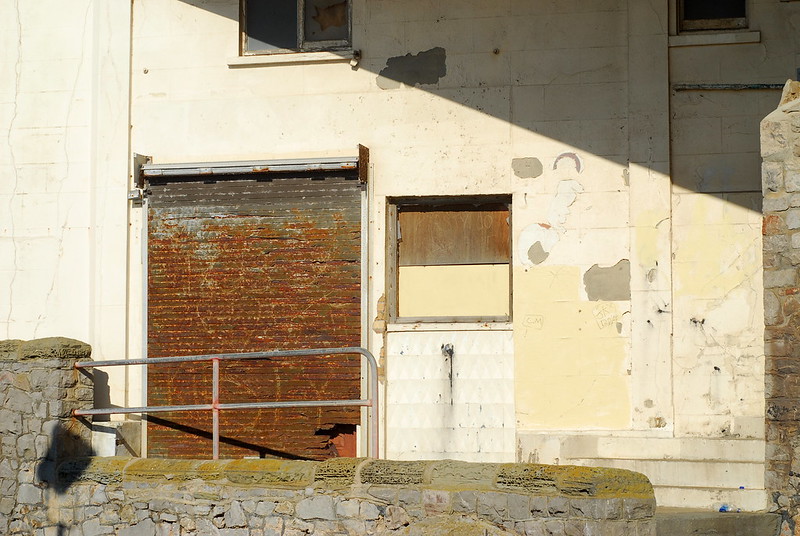
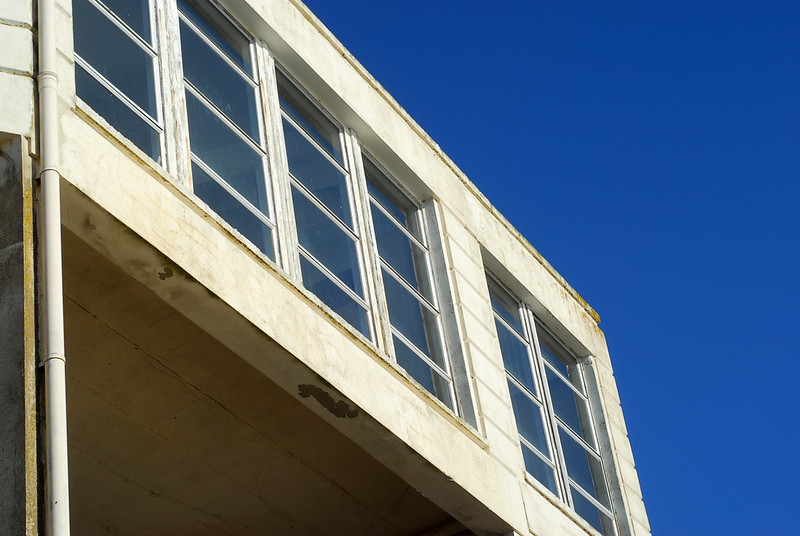
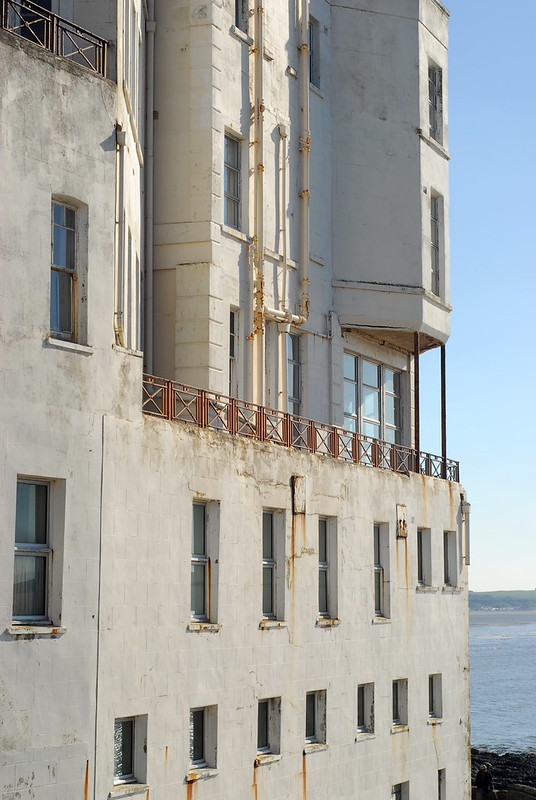
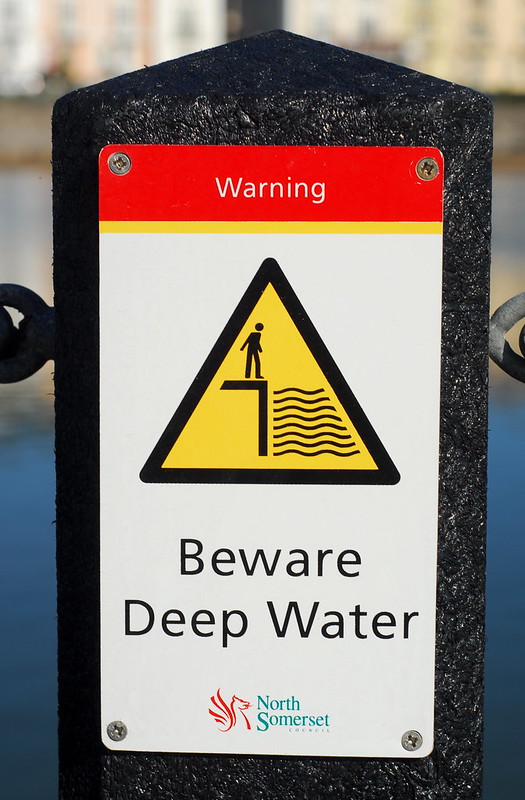
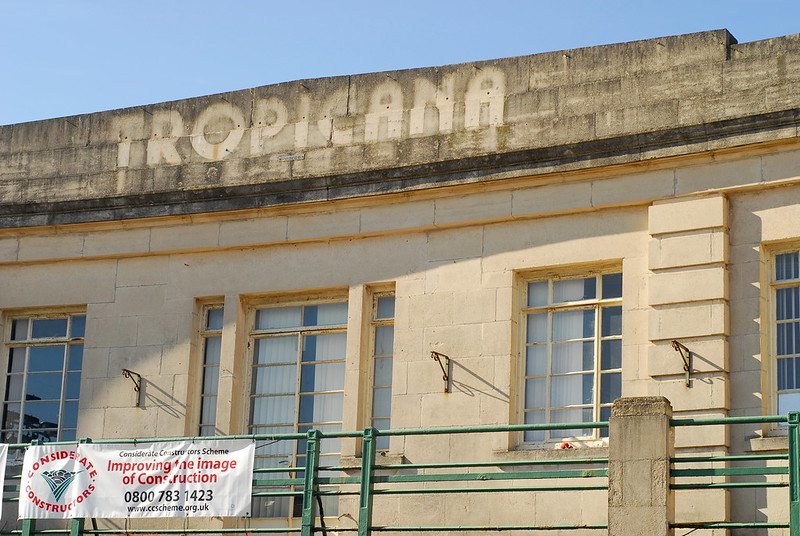
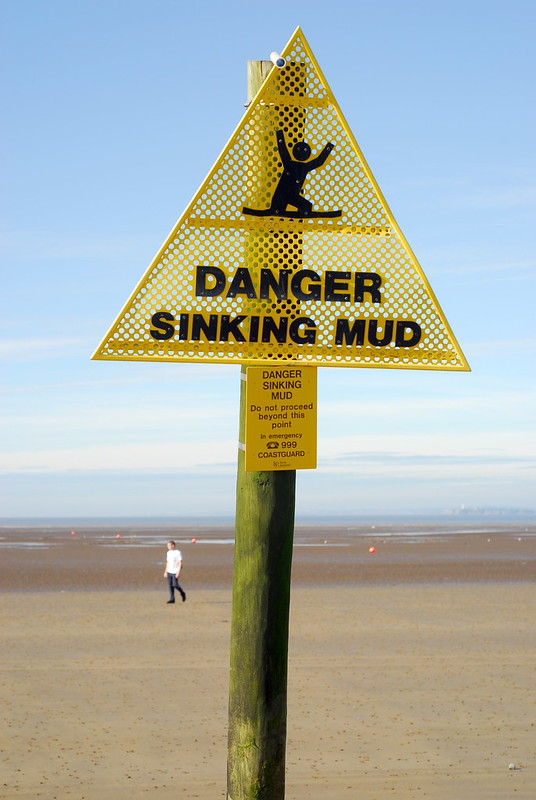
In October it was surprisingly hot and sunny; so we had a day out at Weston-super-Mare. Most of the beach was cordoned off for some motorsport event; so we ended up taking pictures of warning signs and derelict buildings.

The derelict Royal Pier Hotel, Weston

The derelict Royal Pier Hotel, Weston

The derelict Royal Pier Hotel, Weston

Warning, Weston

Ruins of the Tropicana, Weston

Warning, Weston

In Sickness And In Health

In which I worry about feeling ill so much I feel ill

Sickness is a strange thing. So psychological, that you can almost think yourself sick. I’m wondering if it’s going to happen to me – and, of course, wondering about it makes it more and more likely.

Everyone we know, pretty much, has been horribly ill over the past month or two, in bed for a few days, aching, throwing up, incapacitated. I can’t think of a single person, in fact, who says they haven’t had it.

Except, that is, us. We’ve both felt awful, we’ve both been tired and aching, too exhausted to do very much, but we’ve both stayed out of bed. Neither of us has given up and retired to bed for a few days waiting for it to blow over. But the exhaustion and the achiness has gone on for much longer, longer than it would have if we’d actually been ill in the first place.

Now, thinking about it, I keep wondering why we’ve managed to not get too sick when everyone else we know says it’s sent them to bed at some point. Which in turn means: is it our turn? Is it going to come around.

In the real world, I really don’t think epidemiology works that way; but I don’t know about my head. So this morning when I had a sudden attack of dizziness, I felt: is this the winter flu? Is that what’s coming on? The way things are going, I’ll convince myself to fall ill, and fall ill, when otherwise I’d stay fine and healthy.